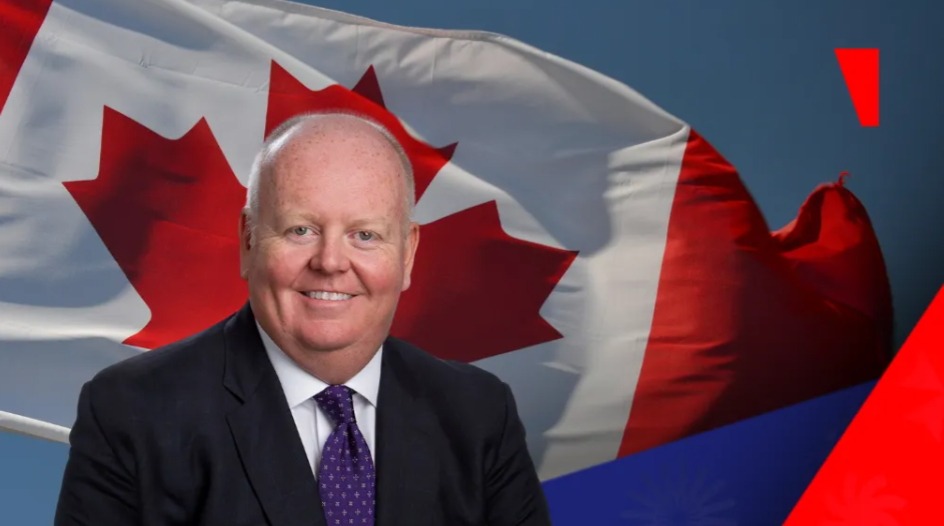
The Canadian Gaming Association (CGA) has announced that the new Responsible Advertising Code for the Gaming Industry (CGA Code) has come into effect. The document applies to all advertising materials related to gambling, betting, and online gaming across all media formats. The administration of advertising by operators and suppliers has been entrusted to the national body Ad Standards.
The сode was developed by the CGA in collaboration with industry representatives to increase public confidence in the gambling industry. It establishes principles to ensure the honesty, transparency, and social responsibility of advertising messages. It covers any gambling advertising distributed in digital, social, television, print, and outdoor media if it is aimed at a Canadian audience.
According to Ad Standards, compliance with the code will provide clarity and accountability in operators’ advertising. It is mandatory for all CGA members and other legal participants in the Canadian market.
CGA President and CEO Paul Burns (pictured) noted that the document reinforces the industry’s existing commitments to responsible advertising. He emphasised that the code provides a clear understanding of what is and is not acceptable and includes examples of unacceptable content. The CGA has also integrated existing Ad Standards guidelines on the use of influencers and recommended that operators not target users under the age of 21 on social media.
Burns added that the code will be regularly reviewed and updated as regulations in the industry evolve.
While gambling advertising regulations were only developed last year, influencer advertising in Canada has been under scrutiny for a decade. In 2016, Ad Standards introduced Interpretation Guide No. 5, aimed at preventing misleading influencer content. The document requires mandatory disclosure of any material connection between an influencer and the brand, product, or service they are promoting. Such disclosure must be clear, prominent, and placed next to the advertising message.
The CGA Code, in particular clause 7, sets out requirements for the authenticity of reviews, recommendations, and any expressions of opinion or preference. These rules apply to all formats of content created by influencers.
Updated in 2025, the document provides more detailed explanations of key issues, such as the difference between disclosing gifted products and event invitations, the correct use of paid partnership tools, the disclosure rules in partnership programmes, the disclosure of content intended for children, and the labelling of content created using AI, including virtual influencers.
The Canadian province of Ontario launched its iGaming market on 4 April 2022. To regulate it, the Alcohol and Gaming Commission of Ontario (AGCO) created a regulatory framework that includes standards for online gaming and betting operators, the Registrar’s Standards for Internet Gaming.
The development of the CGA Code was undertaken by the Canadian Gaming Association (CGA) with industry representatives in 2025. Ad Standards accepts reports of advertising violations from 1 January 2026. The code supplements the AGCO standards.
The document defines the principles that advertisers in the gambling industry must follow and serves as a guideline for social responsibility and acceptable content for such advertising in Canada. In particular, Ad Standards is responsible for reviewing complaints related to gambling advertising that falls under the CGA Code. The code applies to all gambling advertising aimed at a Canadian audience and placed by CGA members.
The new advertising rules came into force alongside the launch of the gambling market in Canada’s second jurisdiction. On 14 January 2026, the province of Alberta officially began registering private operators to participate in the open gambling and sports betting market.
The launch of the registration process marks a new stage in the development of the gambling market in Alberta. It opens up opportunities for private operators amid growing interest in iGaming in Canada. Registration is only possible through the AGLC with a commercial agreement with the Alberta iGaming state corporation.
#GamblingAdvertising #ResponsibleGaming #iGaming #GamingCompliance #AdStandards #CGA #RegulatedGaming #InfluencerMarketing

Welcome to Gambling Consulting Authority (GCA) - Your Strategic Partner in Gambling Industry Advancement