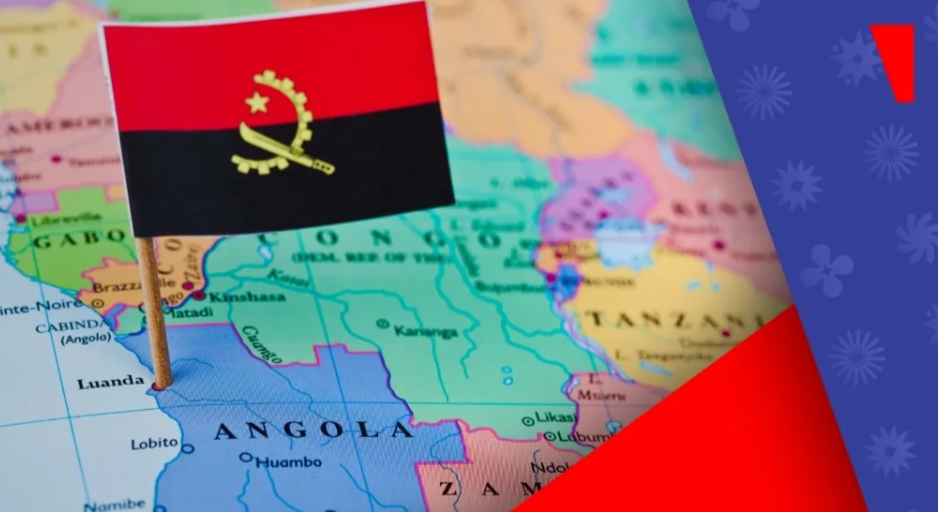
Angola is increasing its control over online betting to ensure greater regulation of winnings and taxes collected by online betting companies. The country’s gaming commission will put in place a central payments system that will enable it to monitor and track payments collected from online betting sites.
The regulator’s plan requires a single provider to operate the new system as the primary gateway for online betting payments. Two companies are currently competing in a call for tenders to secure the contract to operate this system.
Industry observers say this move reflects a broader ambition by Angola’s gaming regulator to modernise oversight in the sector. The initiative will strengthen financial controls while clamping down on opaque payment channels that could undermine tax collection and compliance.
Angola’s online betting market recently faced challenges since the performance in the industry does not align with the global trends. The third quarter of 2025 saw a decline in revenue by 54% year-on-year for online gambling. The prizes won through online gambling declined by 70.7%, while the gross revenue decreased by 47.6% compared to the third quarter of 2024.
By contrast, land-based betting outlets performed strongly, with revenue surging 274% year on year in the same period. Physical betting associated with kiosks and lotteries generated Kz4.734 billion ($5.2 million) compared with Kz1.267 billion ($1.4 million) the year before. “The opposite trend to global digital growth shows the strong pull of physical gambling in Angola,” industry reports noted.
Analysts attribute part of the online decline to structural obstacles, including limited internet penetration and high data costs. Estimates suggest that a majority of Angolans still lack reliable broadband access, making mobile betting less accessible than traditional outlets.
The core of the regulator’s strategy is to channel all online betting payments through a centralised system managed by a single provider. This approach will ensure that all deposits and withdrawals are recorded and traceable. Authorities say such a system will make it easier to verify that operators correctly honour winnings and pay required taxes.
The move comes amid wider efforts to improve financial transparency across Angola’s economy. Angola’s interbank network operator, EMIS, manages the Multicaixa payments infrastructure, which processed over 40 billion kwanzas in 2025. Multicaixa and related payment channels are already at the heart of digital payments in Angola’s banking system.
A unified payment system for operators could build on existing infrastructure like Multicaixa, streamlining reporting to regulators and tax authorities. It could very well reduce reliance on fragmented payment methods that make regulation difficult.
Angola has been changing its gambling regulations. A new gaming law was introduced with the aim of adapting gaming standards to the global level. Under these regulations, the gaming regulator was granted increased powers with regard to licensing, taxes, and compliance.
Critics of the new payment system worry it could increase barriers for smaller operators if tender requirements favour larger firms with existing payment processing experience. However, supporters argue that transparency and tax integrity are necessary to build a sustainable market.
With the contention between the two tendering companies in play, Angola’s government finds itself under pressure to introduce a system that addresses both sectors’ requirements. On one hand, this system will introduce a significant paradigm shift in terms of how financial transactions are conducted. On the other hand, it will help regulators in reducing fraud and taxation irregularities in online betting.
#Angola #OnlineBetting #GamblingRegulation #PaymentSystems #FinancialTransparency #GamingCompliance #iGaming #AfricanMarkets

Welcome to Gambling Consulting Authority (GCA) - Your Strategic Partner in Gambling Industry Advancement