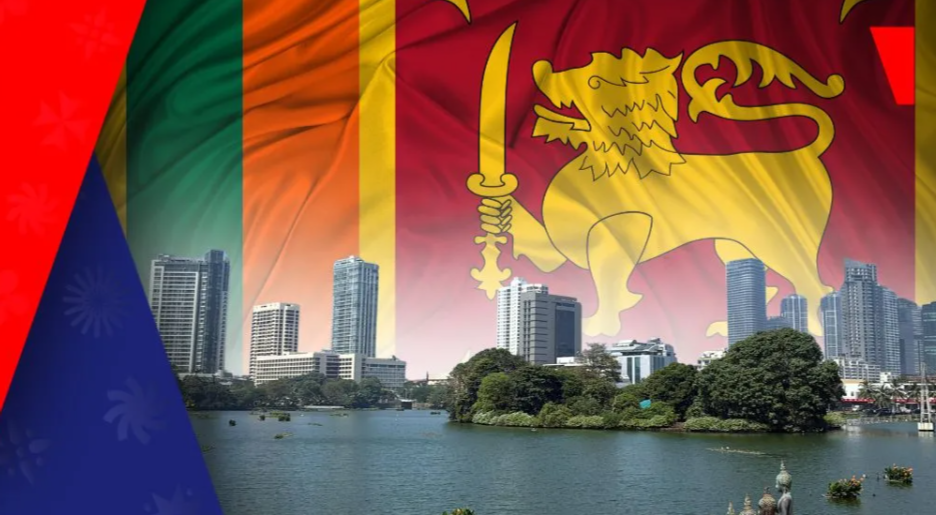
Sri Lanka has invited investors to bid for a half-finished Hyatt waterfront tower in Colombo, with uncertainty over casino licencing emerging as a central issue in the process.
The Finance Ministry has invited expressions of interest, with only pre-qualified bidders allowed to proceed. At a pre-bid meeting, one prospective investor raised a question that goes to the heart of the project’s commercial viability: whether a casino licence could be issued to, or transferred to, a new owner.
The property, owned by state-run Canwill Holdings, is widely known as the stalled “Hyatt” building. Standing in front of the Indian Ocean, the high-rise occupies prime real estate in the capital’s commercial district. Construction was halted several years ago, leaving behind a prominent but incomplete structure.
Officials did not provide a direct answer on licencing, advising the bidder instead to seek independent legal advice. The response underlined the uncertainty surrounding gaming approvals. For investors, the ability to operate a casino could significantly alter projected returns, particularly as Sri Lanka positions itself as a regional tourism hub.
Other risks were mentioned as well. A 9.42-acre land lease in Hambantota, held by a subsidiary called Helanco, has expired. The government has not said if it will extend the lease, raising questions about the status of related assets.
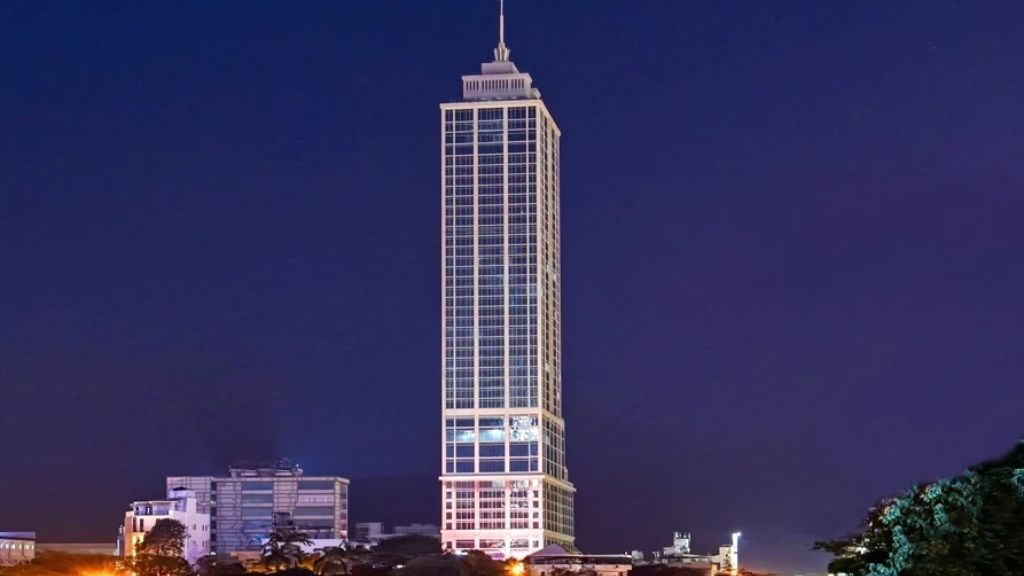
Unfinished Hyatt Tower in Colombo, Sri Lanka (source: Hyatt.com)
Investors also asked if agreements linked to the Hyatt brand are still valid and whether contractual obligations would still apply. They wanted to know about possible limits on share transfers and if legal, financial, or contractual liabilities would pass to a buyer. There were also concerns about possible lawsuits, arbitration, and claims from suppliers or state agencies.
Full documentation will be released only after pre-qualification and the signing of non-disclosure agreements, when bidders can undertake detailed due diligence. Questions have also been asked about the physical state of the building, including lifts, escalators and core electrical and plumbing systems.
The debate over licencing comes as Sri Lanka reforms its gambling framework more broadly. In September, Parliament passed legislation establishing a Gambling Regulatory Authority, aimed at creating a single regulator for casinos and betting.
At the same time, the government has tightened the fiscal regime. Amendments to the Betting and Gaming Levy Act, which took effect on 1 January 2026, raised the gross collection levy on licenced operators from 15 percent to 18 percent. The casino entrance levy for Sri Lankan citizens has doubled from $50 to $100 per visit.
Ministers say the measures form part of a wider effort to strengthen public finances and harness tourism-led growth following the country’s recent economic crisis. Large-scale developments such as City of Dreams Sri Lanka, a joint venture between Melco Resorts and John Keells Holdings, have been promoted as catalysts for high-spending international visitors.
Officials have spoken of ambitions to lift tourism’s contribution to Gross Domestic Product (GDP) towards 10 percent, with integrated resorts playing a supporting role. For now, the fate of Colombo’s unfinished tower may depend less on its oceanfront setting and more on whether regulatory clarity can match investor appetite.
#SriLanka #CasinoIndustry #GamingRegulation #TourismGrowth #InvestmentNews #IntegratedResorts #AsiaGaming #GamingIndustry #PolicyUpdate

Welcome to Gambling Consulting Authority (GCA) - Your Strategic Partner in Gambling Industry Advancement