
Bulgaria’s gambling sector has pushed back against plans to raise the legal gambling age from 18 to 21, saying the move could breach constitutional rights and hit licensed operators financially.
The proposal, tabled by the populist party There Is Such a People (ITN), would bar anyone under 21 from gambling and label 18- to 20-year-olds as “vulnerable persons” under the Gambling Act. The changes would cover both brick-and-mortar venues and online platforms.
Supporters argue the bill is intended to curb addiction risks among young adults and steer them towards less harmful activities. The debate forms part of a wider European conversation about youth gambling and consumer protection.
However, four major industry bodies of the region, the Gambling Industry Association, the Bulgarian Gaming Association, the Bulgarian Association of Gambling Activities, and the Coalition of Gambling Providers, have jointly urged members of the 51st National Assembly to reject the proposal at first reading.
In a letter to Members of Parliament, the groups described the draft as “unconstitutional, economically and socially inexpedient,” and asserted that it was prepared without adequate impact analysis.
Their central argument rests on the principle that full civil rights in Bulgaria begin at 18. At that age, citizens can vote, sign contracts, marry, manage property, and legally own firearms. And so, operators believe that denying the right to gamble while recognising them as adults in other areas, the associations argue, would contradict the constitutional principle of equality before the law.
The letter also questions the economic consequences of excluding 18- to 20-year-olds from the regulated market. Industry representatives say no detailed assessment has been presented outlining the potential impact on tax revenues, employment, or consumer behaviour. They warn that restricting access could push younger players towards unlicenced or offshore operators.
In addition, the associations point out that the draft refers to the former State Gambling Commission as the supervisory authority, even though that body was dissolved in 2020 and replaced by a new regulatory framework. They cite this as evidence of shortcomings in the legislative drafting process.
Recent demographic data may help explain the political focus on younger players. According to figures compiled by Blask, the Bulgarian gambling audience skews heavily towards younger age groups. Those aged 25 to 34 account for 35 percent of participants, while 18- to 24-year-olds make up a further 30 percent. By comparison, 20 percent fall within the 35-44 bracket and 15 percent between 45 and 54.
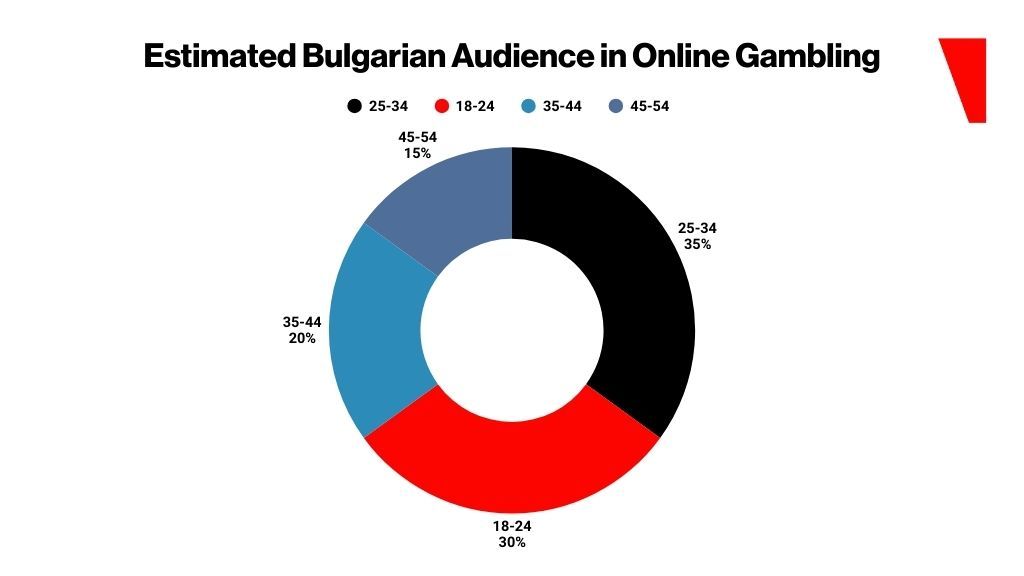
Source: Blask
Income data also shows that most participants are lower or middle-income earners. About 30 percent have annual incomes between 10,000 and 20,000 BGN (€5,100–€10,200), and 25 percent earn less than 10,000 BGN (about €5,100). Another 20 percent earn between 20,000 and 30,000 BGN (€10,200–€15,300), with fewer people in higher income groups.
Lawmakers are expected to continue with the proposal in the coming weeks, as parliament weighs youth protection against constitutional and market considerations. However, the industry believes that the existing Gambling Act already has enough safeguards distinguishing minors from adults and providing tools to address problem gambling.
#GamingRegulation #GamblingPolicy #Europe #iGaming #Compliance #YouthProtection #BettingIndustry

Welcome to Gambling Consulting Authority (GCA) - Your Strategic Partner in Gambling Industry Advancement