
The Bangko Sentral ng Pilipinas (BSP), the Philippine central bank, has raised the threshold for cash withdrawals that trigger enhanced due diligence (EDD) to PHP1 million ($17,050), doubling the previous PHP500,000 ($8,525) cap introduced last year.
In BSP’s Circular, the central bank said the move reflects a risk-based recalibration of rules governing large cash transactions. The Monetary Board, in its Resolution No. 153 dated 26 February, approved amendments to the regulations covering banks and other BSP-supervised financial institutions (BSFIs).
The circular states that BSFIs shall adopt appropriate anti-money laundering/countering terrorism and proliferation financing (AML/CTPF) policies and procedures to implement the conduct of risk-based EDD procedures on large value cash payouts exceeding PHP1 million ($17,050) or its equivalent in foreign currency.
It further clarifies that the PHP1 million threshold may be carried out in a single transaction or in a series of transactions within one (1) banking day. Once met, the central bank said that the EDD shall be performed at the customer level, adding that it need not be performed separately for each transaction, provided the customer has already been subjected to appropriate EDD measures.
The BSP said the recalibration was based on the latest national risk assessment and surveillance monitoring, which noted risks of money laundering (ML), terrorism financing (TF), and proliferation financing (PF) arising from cash transactions.
At the same time, the regulator acknowledged the operational burden posed by the earlier threshold. “The BSP recognises the need for a data-driven recalibration of the EDD trigger threshold for large value cash transactions,” the BSP circular read.
The new rule will take effect 15 calendar days following its publication either in the Official Gazette or in a newspaper of general circulation in the Philippines.
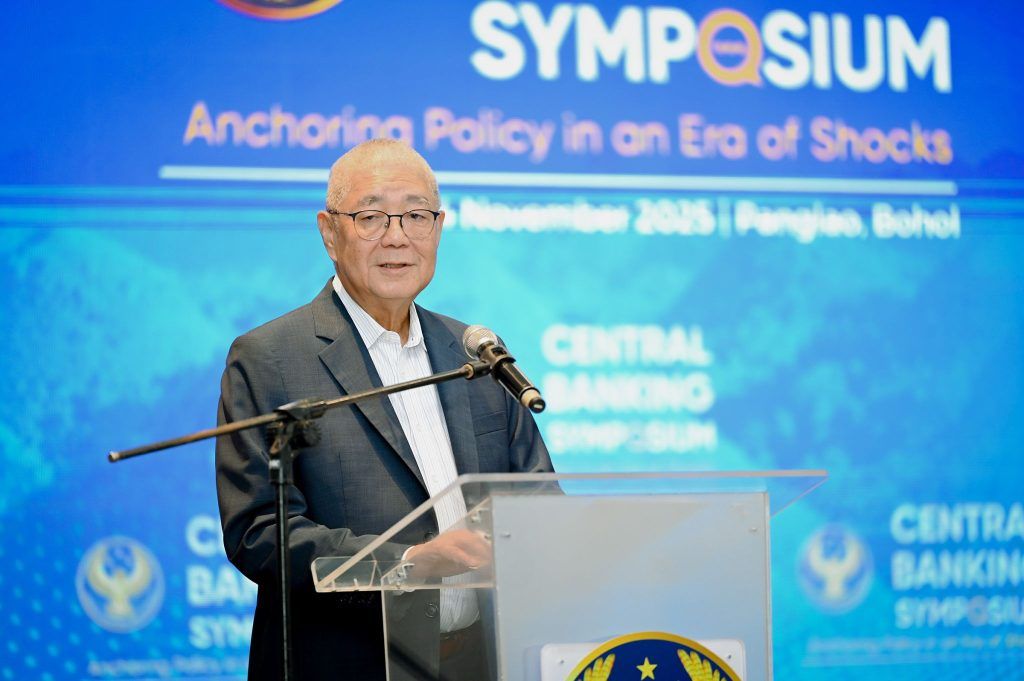
Bangko Sentral ng Pilipinas Governor Eli Remolona. (Source: Bangko Sentral ng Pilipinas/LinkedIn)
In a separate press release, the BSP said the higher threshold is designed to focus on higher-risk activity while streamlining the process for legitimate and normal cash transactions, including recurring ones.
“The increase follows consultations with banks and industries, which showed a large number of legitimate cash transactions above the original threshold,” the BSP said. “These covered payouts, such as payroll, loans, and project-based disbursements.”
The BSP stressed that for individuals and businesses with regular large transactions, “the EDD will be done on a per-customer basis, not per transaction,” meaning routine withdrawals should not be delayed once appropriate checks are completed.
However, flexibility remains with supervised institutions. “Consistent with risk-based customer due diligence principles, BSP-supervised financial institutions (BSFIs) may adopt lower thresholds based on their own risk assessments,” the press release noted.
While easing the cap, the BSP reiterated that compliance expectations remain firm.
The circular provides that “if the BSFI fails to satisfactorily complete the EDD procedures, or reasonably believes that performing the EDD process will tip off the customer, it shall file a suspicious transaction report (STR) and closely monitor the account and review the business relationship.”
It further instructs institutions to consider “alerts, red flags, and suspicious indicators, as well as typologies noted/reported by relevant government agencies, involving large or unusual cash transactions in filing STR.”
There are no limits on non-cash withdrawals. The BSP confirmed that electronic transfers, cheques and other non-cash channels remain outside the threshold framework.
The original cap was imposed in September 2025 after Senate investigations found that banks had facilitated bulk cash-outs linked to contractors facing allegations tied to flood control projects. Authorities said the earlier measure aimed to help curtail money laundering and ensure the financial system is not used to facilitate illicit activities.
#Philippines #BSP #AML #Compliance #BankingRegulation #FinancialCrime #RiskManagement

Welcome to Gambling Consulting Authority (GCA) - Your Strategic Partner in Gambling Industry Advancement