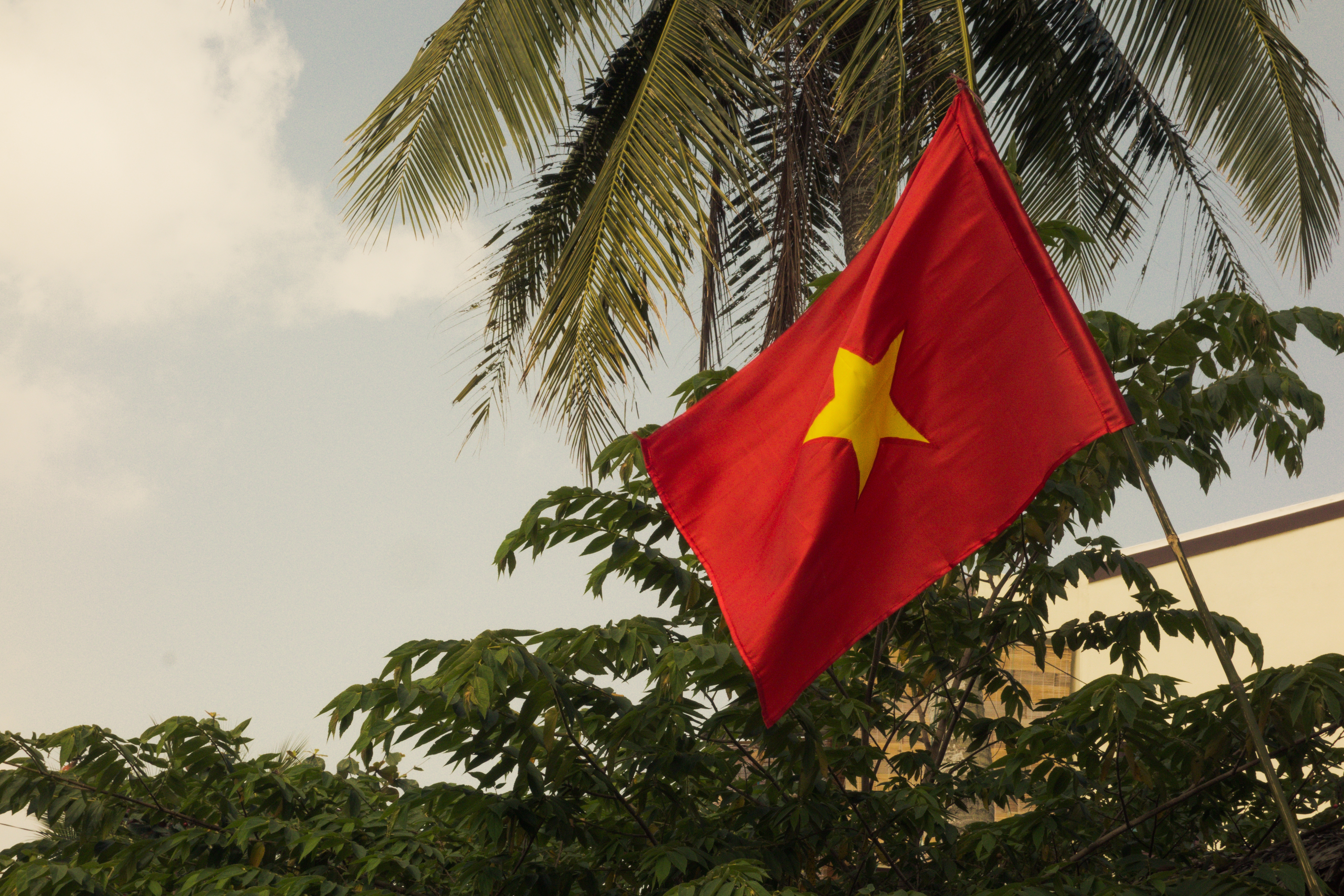
Vietnam has recorded its strongest start to the year for international tourism, welcoming 6.76 million visitors between January and March 2026.
According to the General Statistics Office, this represents a 12.4 percent increase compared with the same period last year. The sector has not only recovered from the COVID-19 pandemic but is now growing steadily. Improved flight connections, rising demand from key markets, and continued investment in hotels and transport infrastructure have all contributed to the strong figures.
Most visitors continue to come from Asia. China remains the largest source of travellers, sending around 1.4 million, followed closely by South Korea with nearly 1.33 million. Other notable contributors include Russia, which brought in more than 367,000 visitors; Cambodia, around 330,000; Taiwan, over 316,000; and the United States, which recorded more than 302,000 arrivals.
India also continues to show strong growth, with nearly 243,000 tourists visiting in the first quarter, reflecting a growing appetite for outbound travel among Indian travellers.
Shift in visitor patterns
While China remains the leading source of tourists, growth from the market has slowed compared with last year’s rapid rebound, suggesting a stabilisation in arrivals. In contrast, several Southeast Asian countries posted major increases. Visitor numbers from the Philippines rose by 69 per cent year-on-year, Indonesia by 44 per cent, Singapore by 30 per cent, and Cambodia by 41 per cent.Russia has emerged as one of the standout markets, with arrivals surging by nearly 195 per cent compared with the same period last year. Analysts attribute this increase to changing global dynamics and a growing preference among Russian tourists for Southeast Asian destinations.
The strong first-quarter results build on a successful 2025, in which Vietnam welcomed 21.2 million international visitors. Authorities are now targeting over 25 million arrivals in 2026, with projected tourism revenues of around $46 billion. These ambitions form part of a broader strategy to position tourism as a key pillar of economic growth, create employment, and enhance the country’s international profile.
Resorts, casinos are attracting visitors
Part of Vietnam’s tourism growth is linked to its resort and gaming sector. The country operates a mix of foreign-only casinos, alongside a limited number of venues where locals are allowed under strict conditions. Well-known properties include the Corona Resort & Casino on Phu Quoc and The Grand Ho Tram.
There isn’t official data yet on how the resorts are performing this year, but higher tourist numbers usually mean busier casinos, especially during peak periods.
Vietnam’s tourism is also getting a boost from new hotels, improved transport, and more flights linking it to major markets. With its beaches, cultural sites, and entertainment options, the country continues to attract travellers from across the region.
Experts say that keeping visitor numbers steady will be key to the country meeting its full-year targets, but the first quarter suggests Vietnam is on track to remain one of Southeast Asia’s fastest-growing destinations.
#Tourism #Vietnam #TravelIndustry #Hospitality #GamingIndustry #MarketGrowth #Asia #IndustryTrends

Welcome to Gambling Consulting Authority (GCA) - Your Strategic Partner in Gambling Industry Advancement