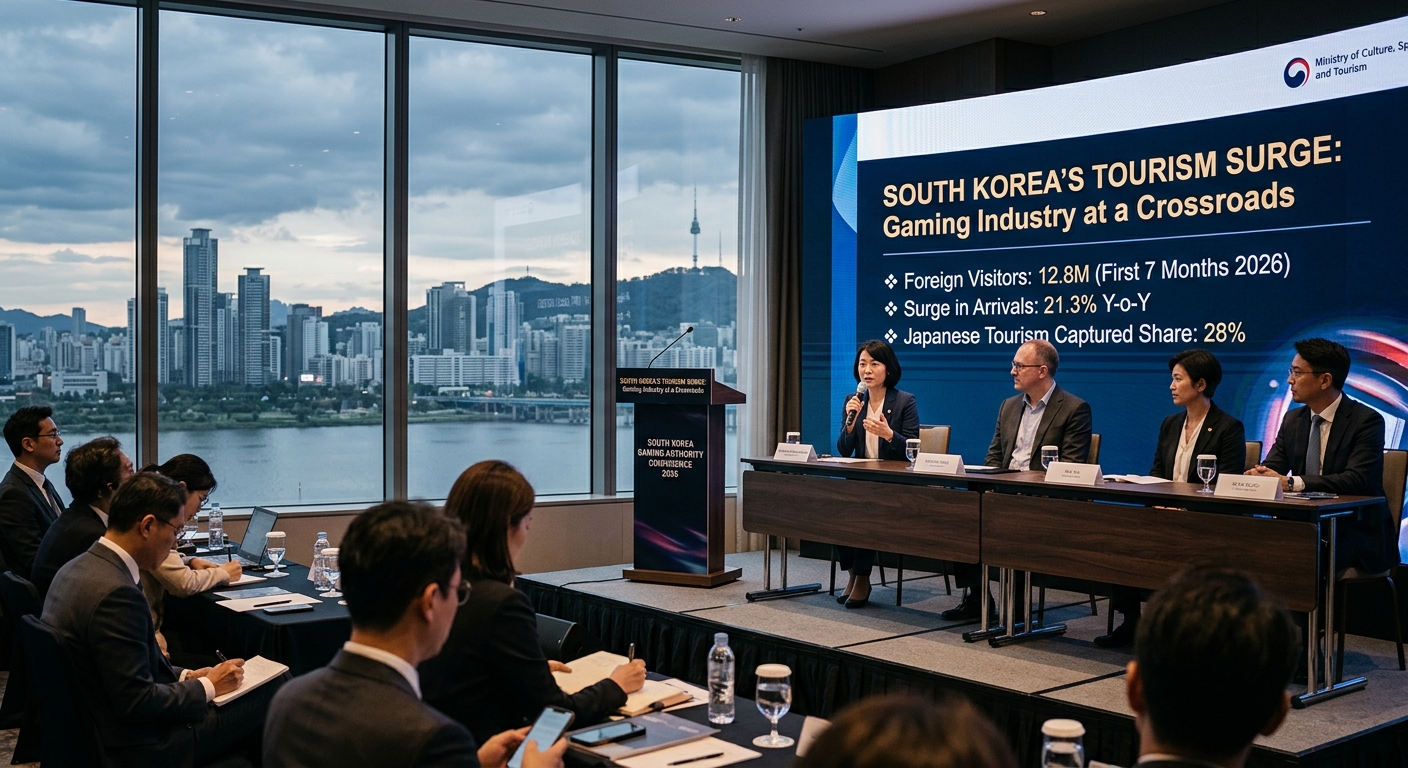
South Korea welcomed 12.8 million foreign tourists in the first seven months of 2026, marking a 21.3 per cent year-on-year increase driven by resilient regional demand and a record influx of Japanese travelers. Data from the Ministry of Culture, Sports and Tourism reveals that foreign card spending surged 48.3 per cent to KRW 12.09 trillion ($8.8 billion), highlighting the country’s growing commercial draw across key Asian source markets.
Inbound travel trends were strongly anchored by Japan, which sent 2.28 million visitors through July. This 18.8 per cent annual rise meant South Korea captured 28 per cent of all Japanese outbound travel during the period, establishing the highest share on record and placing the nation ahead of traditional destinations like the United States, Thailand, and Vietnam. China remained the largest overall source market by volume, contributing 3.99 million travelers, representing a 27.5 per cent year-on-year increase.
Expansion across regional gateways significantly bolstered these figures, with Japanese arrivals through Gimhae Airport rising 52 per cent, Jeju International Airport growing 60 per cent, and Cheongju International Airport surging 93 per cent. Weekly flight capacity between Korea and Japan reached nearly 350,000 seats as airlines shifted capacity toward shorter routes. This accessibility was further reinforced by global interest in Korean cosmetics, entertainment, and culinary culture.
For South Korea’s casino industry, which relies almost exclusively on foreign visitors due to strict domestic gambling bans outside of Kangwon Land, this sustained tourism influx expands the target audience across major integrated resorts in Seoul and Jeju. Higher foot traffic provides a vital revenue opportunity for operators working to capitalize on the region’s broader post-pandemic travel recovery.
However, market optimism is tempered by proposed regulatory shifts. The Ministry has recommended replacing permanent casino licenses with renewable five-year terms and raising maximum contributions to the Tourism Promotion and Development Fund from 10 to 15 per cent of gross gaming revenue. Industry bodies strongly oppose the measures, arguing that tighter licensing cycles and higher financial burdens risk undermining long-term capital investment in integrated resorts.
#SouthKorea #Tourism #CasinoIndustry #GamingRegulation #AsianMarkets #IntegratedResorts #TravelIndustry #AsiaPacific #Hospitality

Welcome to Gambling Consulting Authority (GCA) - Your Strategic Partner in Gambling Industry Advancement